Reclite SA Solutions
Reclite SA offers a wide range of recycling options, browse our unique solutions here:
Reclite SA Solutions
Reclite SA offers a wide range of recycling options, browse our unique solutions here:


SMALL BATTERIES,
BIG IMPACT
Portable batteries power our everyday lives; from remote controls and toys to mobile phones, laptops, cameras, and hearing aids. Despite their size, the impact of these batteries on the environment can be significant if they are not properly recycled.
When portable batteries end up in general waste, they often end up in landfill, where their casings eventually corrode and allow dangerous substances such as cadmium, lead, and mercury to seep into the soil and water systems. This contamination not only affects plant and animal life but can also compromise human health.
Reclaiming scarce and valuable materials
In addition to toxic metals, many portable batteries contain critical materials like lithium and silver; rare and expensive to mine. Reclite SA ensures these materials are recovered safely and reintroduced into the production cycle.
SMALL BATTERIES,
BIG IMPACT
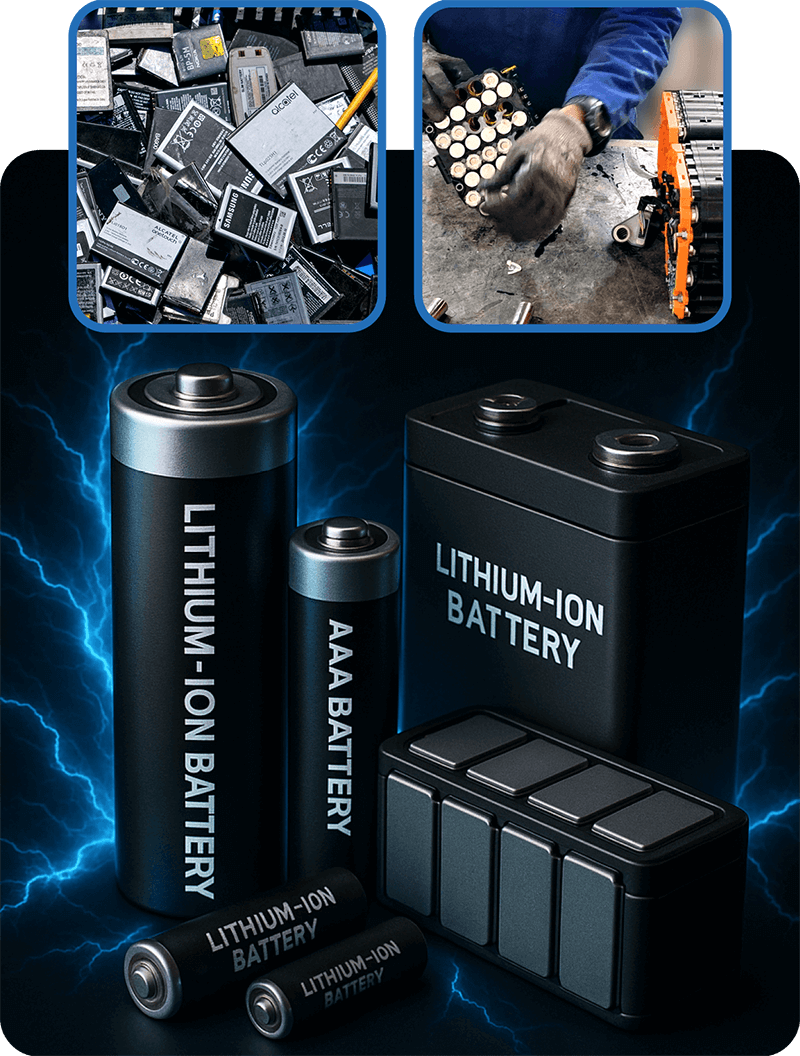
Portable batteries power our everyday lives – from remote controls and toys to mobile phones, laptops, cameras, and hearing aids. Despite their size, the impact of these batteries on the environment can be significant if they are not properly recycled.
When portable batteries end up in general waste, they often end up in landfill, where their casings eventually corrode and allow dangerous substances such as cadmium, lead, and mercury to seep into the soil and water systems. This contamination not only affects plant and animal life but can also compromise human health.
Reclaiming scarce and valuable materials
In addition to toxic metals, many portable batteries contain critical materials like lithium and silver — rare and expensive to mine. Reclite SA ensures these materials are recovered safely and reintroduced into the production cycle.
WE ACCEPT ALL TYPES OF LITHIUM-ION BATTERIES. UPON ACCEPTANCE, WE GRADE THE BATTERIES BASED ON A HAZARD RATING AND THEY ARE HANDLED ACCORDINGLY.
Following this, we recover any remaining energy before recycling the actual cell materials in our proprietary process. All major battery cell components are recovered.
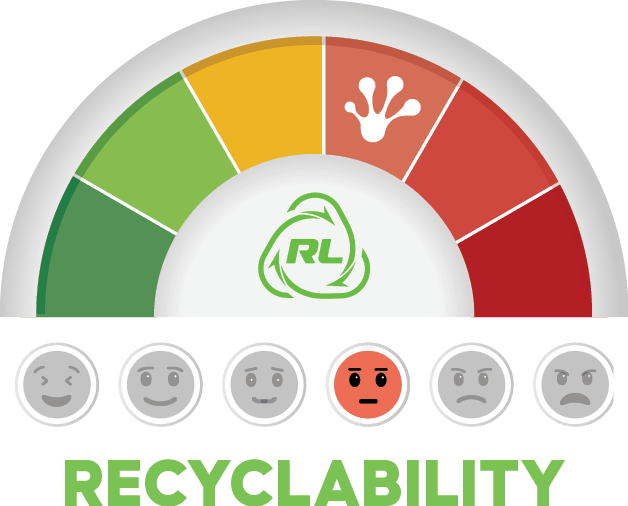
RECOVERABLE
MATERIALS
RECYCLABLE
MATERIALS
We accept all types of
lithium-ion batteries.
Upon acceptance,
we grade the batteries
based on a hazard rating and
they are handled accordingly.
Following this, we recover any remaining
energy before recycling the actual cell
materials in our proprietary process. All major
battery cell components are recovered.
RECOVERABLE
MATERIALS
80%
RECYCLABLE
MATERIALS
75%