Planning for End-of-Life in a Growing Green Economy
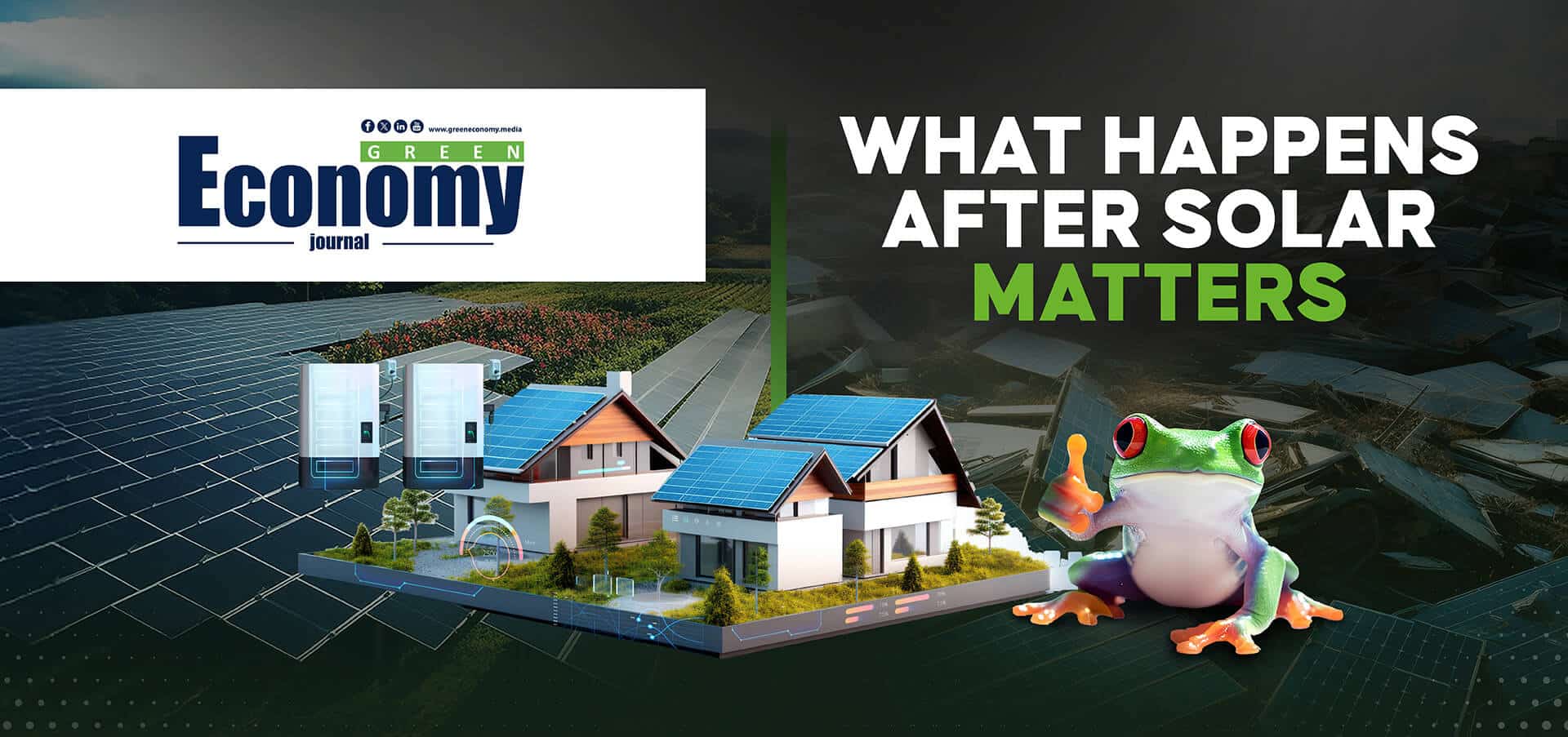
South Africa’s renewable energy transition is accelerating at an unprecedented pace. Solar photovoltaic (PV) installations now dominate new generation capacity, driven by energy insecurity, declining technology costs, and strong policy support. While the environmental benefits of solar power are clear, a critical question is often overlooked: what happens to solar PV modules and the batteries that store their energy when they reach the end of their useful life?
For the green economy to remain credible and sustainable, end-of-life planning for both solar PV modules and batteries must be treated with the same urgency as their deployment. Reclite SA believes that responsible recycling, improved compliance, and transparent lifecycle management are essential to closing the loop in South Africa’s renewable energy sector.
Understanding the lifespan of solar PV modules
Most solar PV modules are designed to operate efficiently for 25 to 30 years. Over time, exposure to UV radiation, temperature fluctuations, wind, dust, and moisture leads to gradual performance degradation — typically around 0.5% to 1% per year. While many panels continue to produce electricity beyond their warranty period, efficiency losses, physical damage, and technological obsolescence eventually make replacement inevitable.
With large-scale solar farms commissioned over the last decade now planning major maintenance and upgrade projects, South Africa is approaching a wave of PV waste that must be proactively managed. Globally, the International Renewable Energy Agency estimates millions of tonnes of PV waste will be generated annually by mid-century. Without proper systems in place, today’s clean-energy solution risks becoming tomorrow’s waste challenge.
Batteries in solar energy systems, lifespan and risks
Batteries are the backbone of modern solar energy systems. From small residential installations to large- scale solar farms, batteries store energy for use when the sun isn’t shining, smoothing supply and enabling energy independence. However, like solar PV modules, batteries have a finite lifespan.
• Lead-acid batteries typically last 3–7 years, depending on usage, depth of discharge, and maintenance.
• Lithium-ion batteries, more common in modern solar installations, generally last 5–10 years in ideal conditions, though degradation accelerates under high
temperatures or frequent cycling.
The combination of PV panels and batteries means that, even if a module continues to generate electricity, an aging battery can limit the system’s overall efficiency. When batteries reach end-of-life, improper disposal creates serious environmental and health risks. Toxic metals such as lead, nickel, cobalt, and lithium can leach into soil and water if batteries are land filled, while lithium-ion batteries also carry fire hazards if damaged or incorrectly stored.
Responsible recycling recovers valuable metals, prevents pollution, and reduces reliance on mining, making battery end-of-life management a critical part of the solar ecosystem. Just as solar farms are increasingly required to plan for PV recycling, battery recycling must be integrated into the lifecycle strategy for energy storage systems.
Increasing compliance at solar farm level
One positive trend is the growing level of compliance among utility-scale solar farms. Large independent power producers (IPPs), financiers, and multinational developers increasingly require EPR compliance as part of project approvals and funding agreements. Decommissioning strategies, traceability of waste streams, and partnerships with licensed recyclers are becoming standard practice rather than exceptions. This shift reflects both regulatory pressure and reputational risk. Investors are demanding stronger environmental, social, and governance (ESG performance, and end-of-life management — for both PV modules and batteries — is now recognised as a material risk.
Solar farms that fail to plan for responsible recycling may face future liabilities, including remediation costs, non-compliance penalties, and loss of social licence to operate. Manufacturer responsibility and evolving regulation Globally, extended producer responsibility (EPR) regulations are reshaping the solar industry. PV module and battery manufacturers are increasingly expected to fund and manage collection, recycling, and safe disposal. This drives better product design, improved recyclability, and transparency around material composition and lifespan expectations. South Africa is moving in the same direction, and broader waste legislation increasingly places responsibility across the entire value chain — from manufacturers and importers to installers and asset owners.
The role of professional recyclers
Recycling solar PV modules and batteries is a specialised process requiring appropriate infrastructure, environmental controls, and technical expertise. Informal dismantling or landfill disposal undermines the environmental benefits of renewable energy and exposes communities to unnecessary risk.
Reclite SA advocates for formal recycling solutions that recover high-value materials safely, prevent pollution, and ensure compliance with national waste regulations. As volumes of PV modules and batteries increase, local recycling capacity will be critical to reducing export dependency, creating skilled jobs, and keeping value within the South African economy.
Setting the foundation for the series This article establishes a fundamental truth: renewable energy is only as sustainable as its full lifecycle management. Solar PV modules and batteries deliver clean electricity for decades, but without responsible end-of-life planning, their environmental credentials are incomplete.
Article 2 will focus more deeply on batteries — their composition, recycling challenges, and long-term impacts of improper disposal. Article 3 will bring the conversation together, examining integrated strategies for both PV modules and batteries to unlock a truly circular renewable-energy economy The green transition is not just about how we generate power — it is about how responsibly we manage its legacy. Proper recycling of both PV modules and batteries ensures that the promise of renewable energy is truly sustainable.
Keep an eye out for the Green Economy Journal to see our articles in the latest issue, as well as the next issues.